
This Modern Underground City Will Change How You See Architecture
Living above ground has always felt like the default. Sunlight, skylines, and open streets define how we imagine cities. But what if the most inspiring future spaces are hidden below our feet. A modern underground city challenges everything we think we know about architecture, light, and human connection.
This article explores how designers are reimagining subterranean living in ways that feel vibrant, human, and surprisingly uplifting. These spaces are not dark or confined. They are airy, thoughtfully layered, and deeply connected to nature through light wells, open courtyards, and organic materials.
Underground City Spaces That Feel Alive

Step inside a modern underground city and the first surprise is how alive it feels. Soft daylight filters through circular skylights. Vertical gardens climb stone walls. Open communal spaces flow naturally, creating movement and energy rather than isolation. The air feels calm yet dynamic, blending raw earth textures with sleek architectural lines.
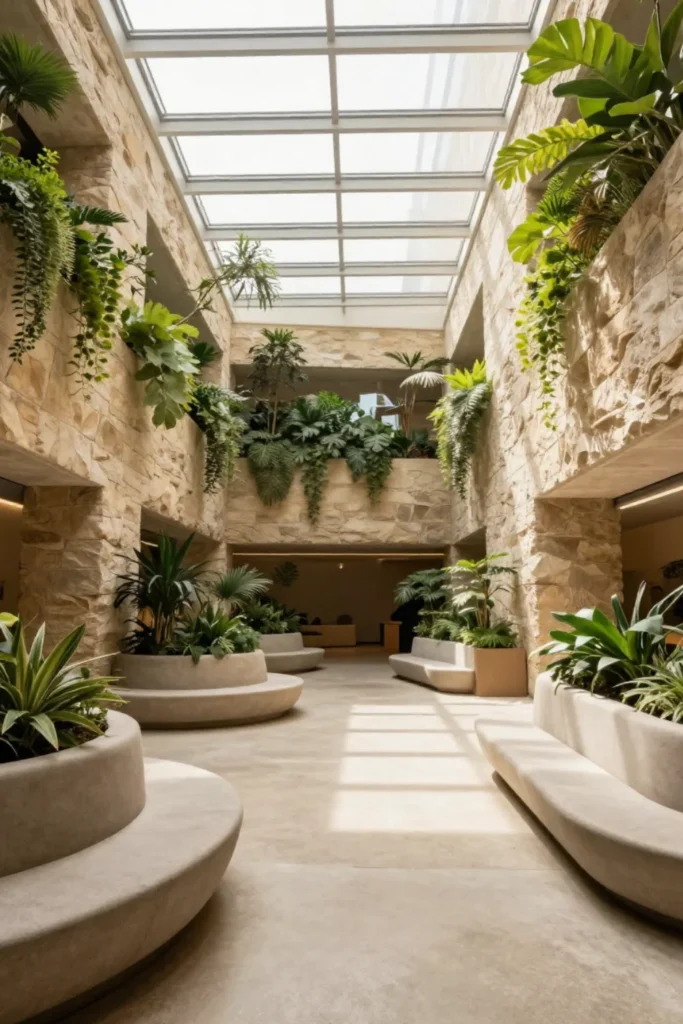
To recreate this feeling, designers focus on layered lighting and organic materials. Light wells, reflective surfaces, and greenery help spaces breathe. The key is designing underground areas as destinations, not afterthoughts. When done right, these environments feel immersive, grounded, and emotionally engaging.
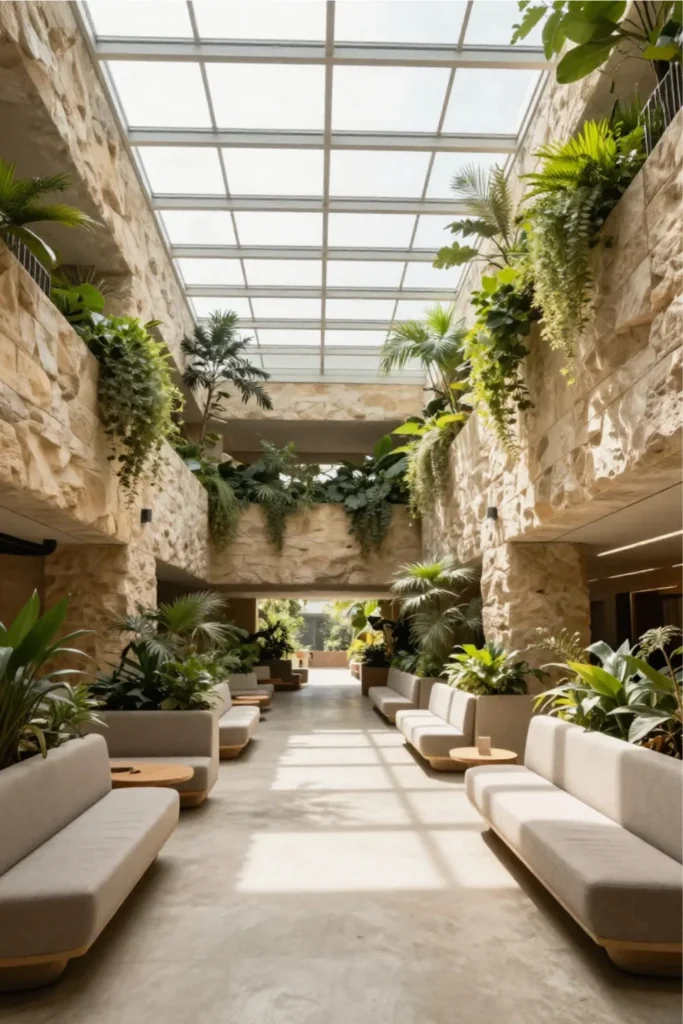
The result is architecture that reconnects people with the earth while still feeling unmistakably modern.
An Underground Village With a Modern Pulse
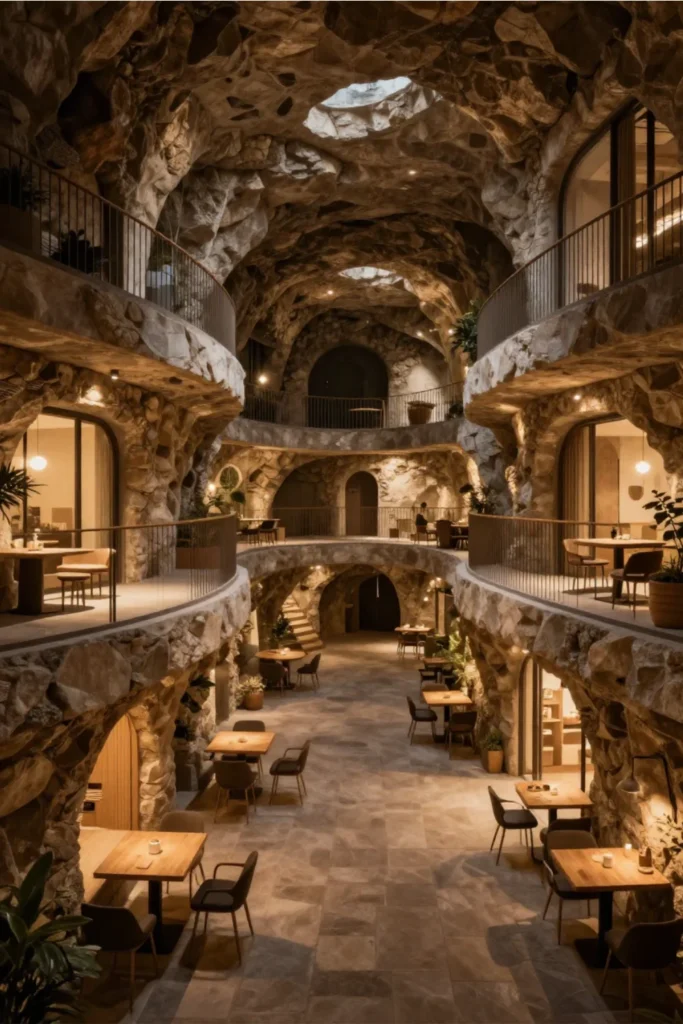
This underground village concept feels more like a hidden neighborhood than a bunker. Homes, cafés, and shared spaces cluster together beneath the surface, glowing with warm light. Curved walls and natural stone soften the geometry, while modern finishes add a clean, contemporary rhythm.
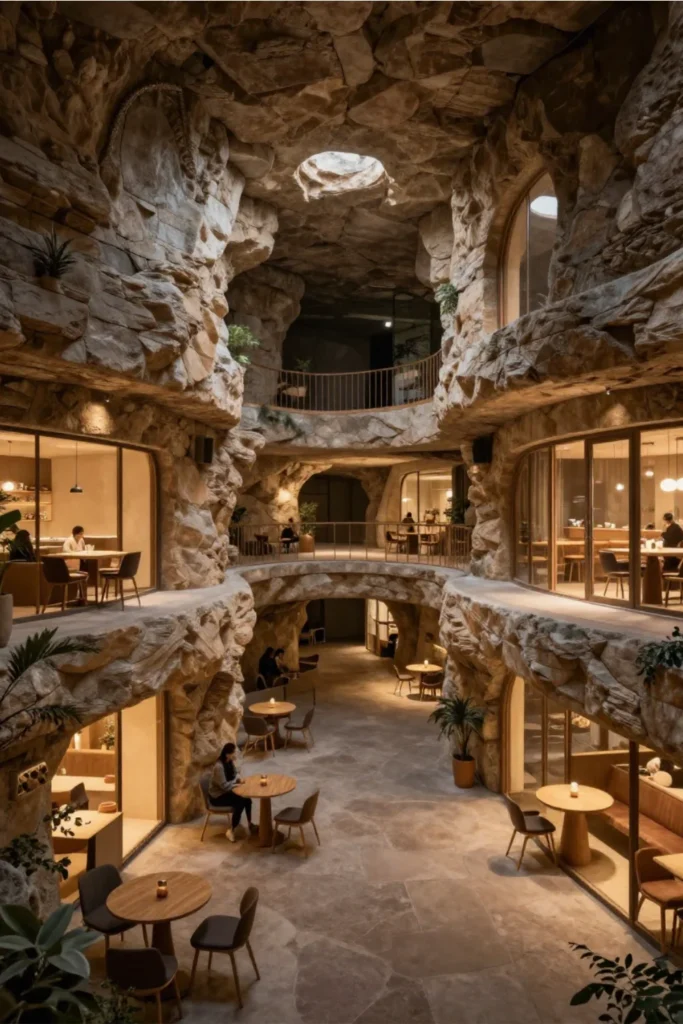
Designing an underground village requires thinking about community first. Central courtyards, shared walkways, and visual connections between spaces create a sense of belonging. Even below ground, openness matters. Transparency through glass partitions and layered levels keeps the village feeling social and connected.

It proves that a modern underground city can nurture culture, connection, and daily life with ease.
The Allure of a Sunken City Escape
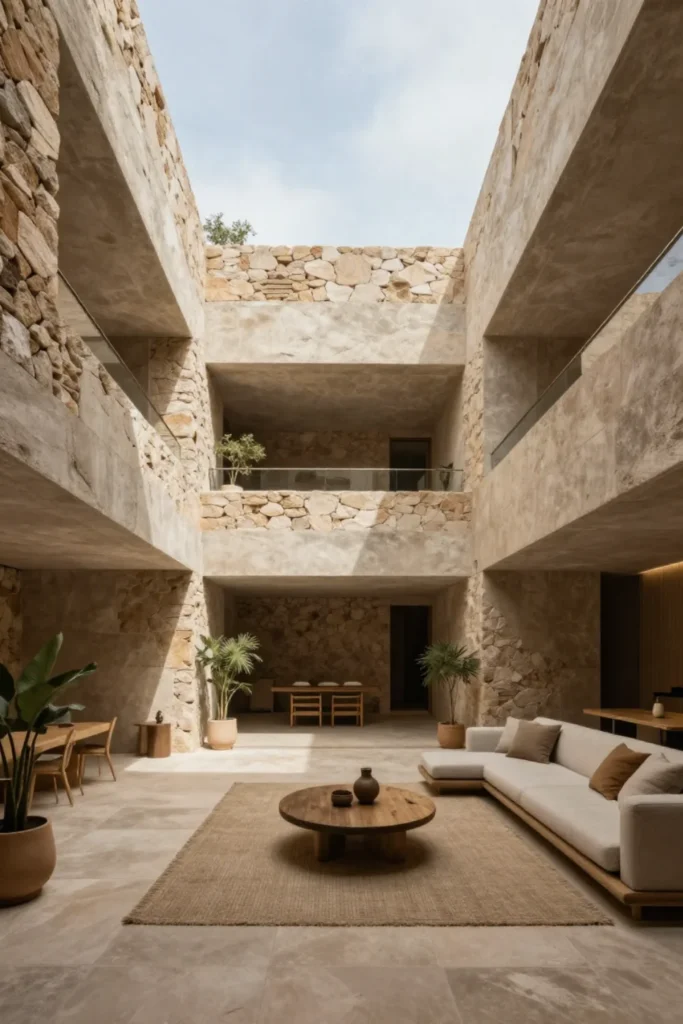
There is something deeply calming about a sunken city escape. Surrounded by earth, the noise of the world fades away. Interiors feel protected yet expansive, especially when open courtyards invite sunlight and sky views into the heart of the design.

Architects enhance this serenity by blending indoor and outdoor zones. Stone, concrete, and wood work together to create warmth. Strategic openings frame the sky like art. Every detail feels intentional, encouraging slow living and mindful movement.
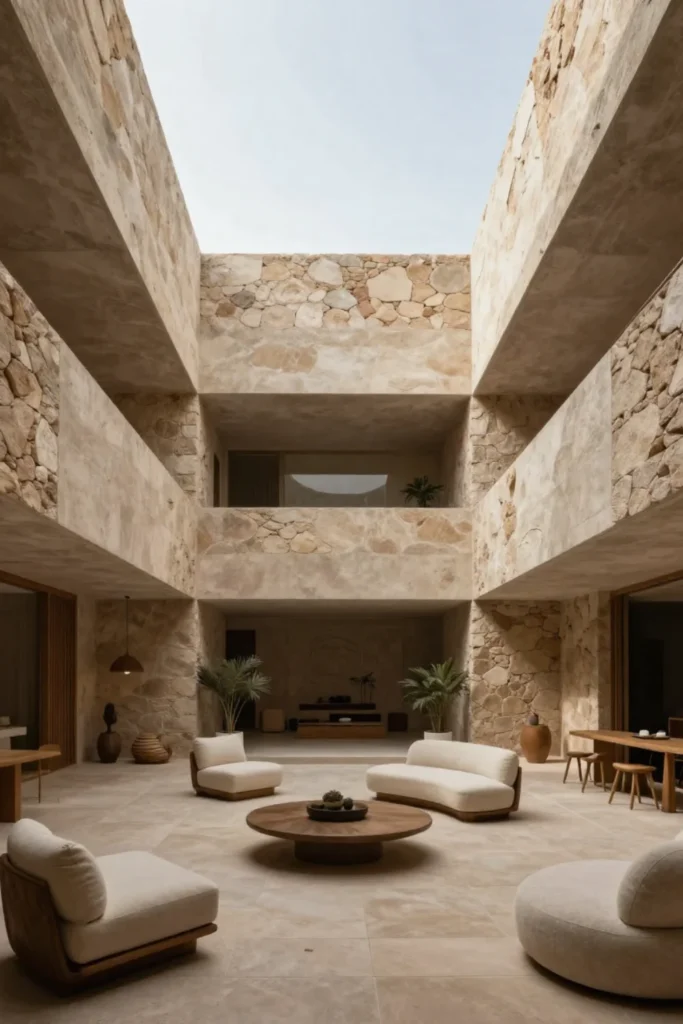
A modern underground city like this becomes a retreat, offering privacy, sustainability, and a new way to experience space.
Design Tips Inspired by Underground Architecture
- Use natural materials like stone, wood, and plaster to add warmth
- Incorporate skylights or light wells to bring in daylight
- Add greenery to soften hard architectural lines
- Design communal spaces to avoid a closed-off feeling
- Layer lighting for depth and visual comfort
Conclusion
A modern underground city challenges the idea that progress must rise upward. Instead, it shows how thoughtful design can turn hidden spaces into places of beauty, comfort, and innovation. These environments feel alive, connected, and deeply human.
Whether it is a vibrant underground city, a modern village below ground, or a peaceful sunken escape, this approach to architecture opens new creative possibilities. It invites us to rethink how we live, where we gather, and how design shapes emotion.
Architecture does not need to shout to impress. Sometimes, the most powerful spaces are quietly transformative.
✨ Save this post on Pinterest for later inspiration!