10 Minimalist Decluttering Ideas
Minimalism is not about empty rooms or strict rules. It is about creating space to breathe, think, and live more intentionally. When clutter fades away, even the smallest home can feel calm, sunlit, and quietly beautiful. A minimalist space invites ease into everyday moments and allows your personal style to stand out naturally.
These minimalist decluttering ideas are designed to help you simplify without losing warmth or character. You will learn how to reduce visual noise, curate what you keep, and design spaces that feel open and purposeful. Each idea focuses on modern living, creativity, and gentle edits that make a lasting impact.
Whether you are just starting your minimalist journey or refining an already simple home, this guide offers inspiration you can adapt to your lifestyle. Think airy rooms, cozy corners, and thoughtful choices that support a calmer rhythm of life. Let these minimalist decluttering ideas help you create a home that feels lighter, clearer, and deeply your own.
Keep Only What You Truly Use
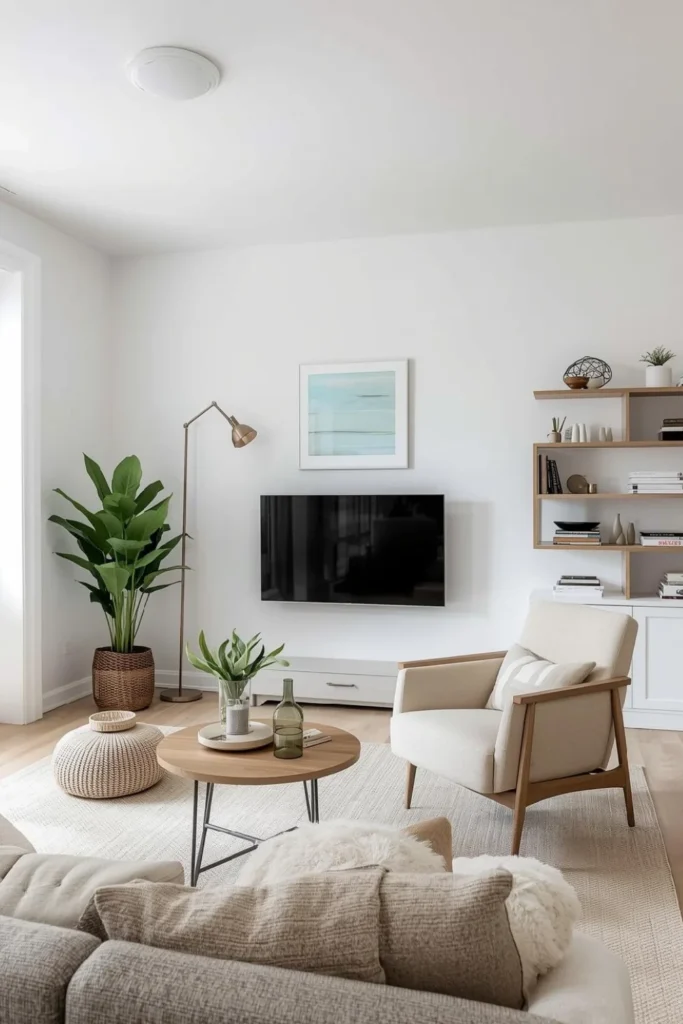
A minimalist home begins with honesty. Look around your space and notice what you actually use and love. When shelves hold only meaningful items, the room feels lighter and more intentional. Each piece has room to be seen and appreciated.
Start by removing items you have not used in months. Keep what supports your daily life and brings comfort. Let go of the rest with confidence.
Using less creates more clarity.
Clear Surfaces for Visual Calm
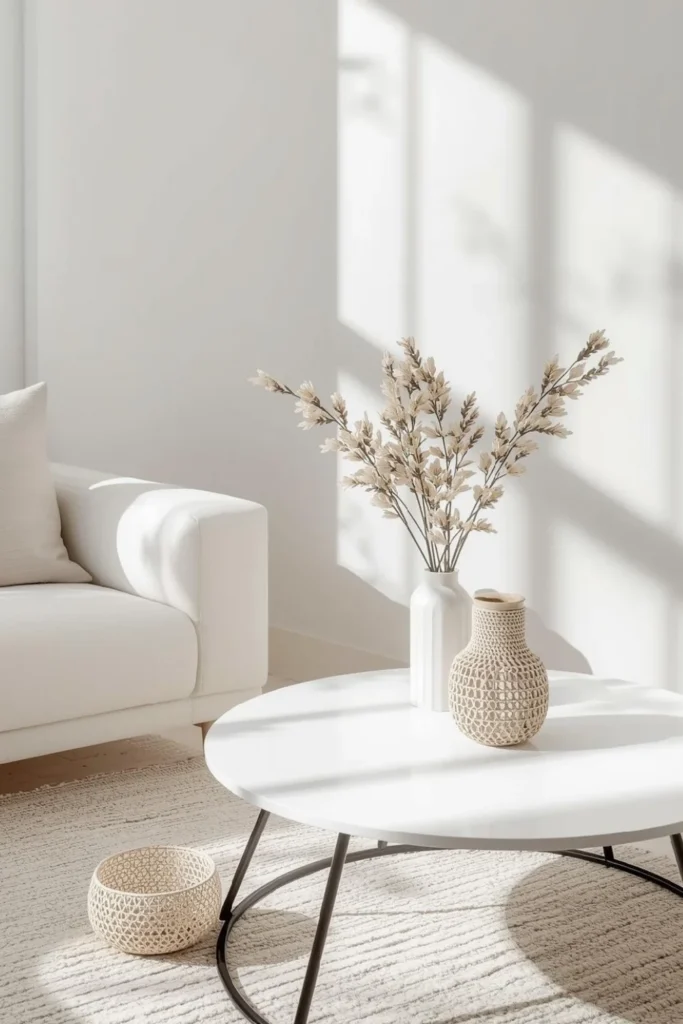
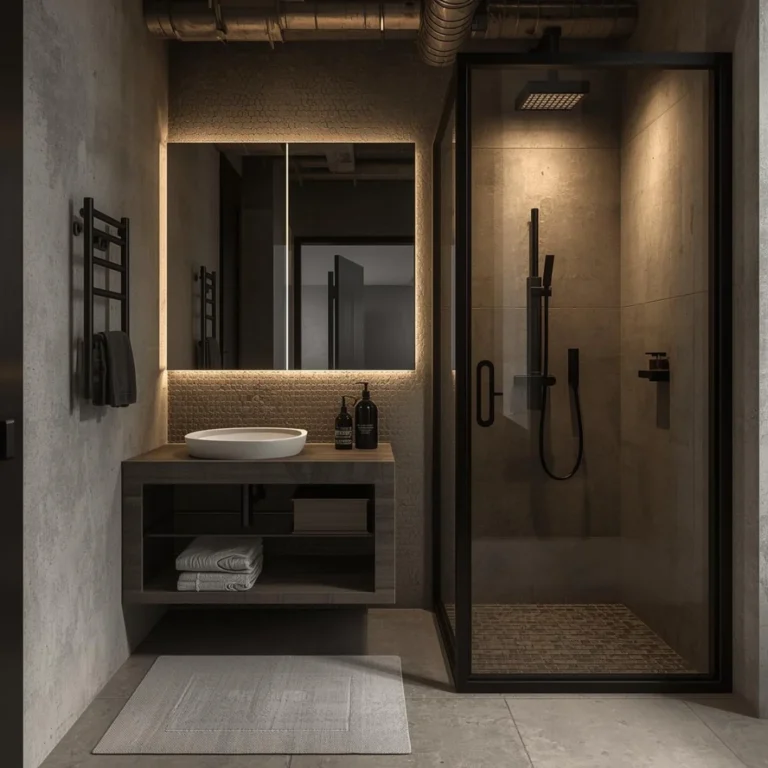
Clear surfaces are the foundation of minimalist design. When tables and counters are open, the space feels instantly calmer and more spacious. Light moves freely, and the room feels easier to enjoy.
Limit surfaces to one or two intentional objects. Store functional items out of sight. This small habit transforms the overall mood of your home.
Open space brings visual peace.
Edit Decor With Intention

Minimalist decor is about quality over quantity. A few well-chosen pieces create more impact than crowded shelves. Each object feels purposeful and visually grounding.
Choose decor that reflects your style and complements your color palette. Remove anything that feels distracting or unnecessary. Let space become part of the design.
Intentional decor elevates simplicity.
Use Neutral Color Palettes
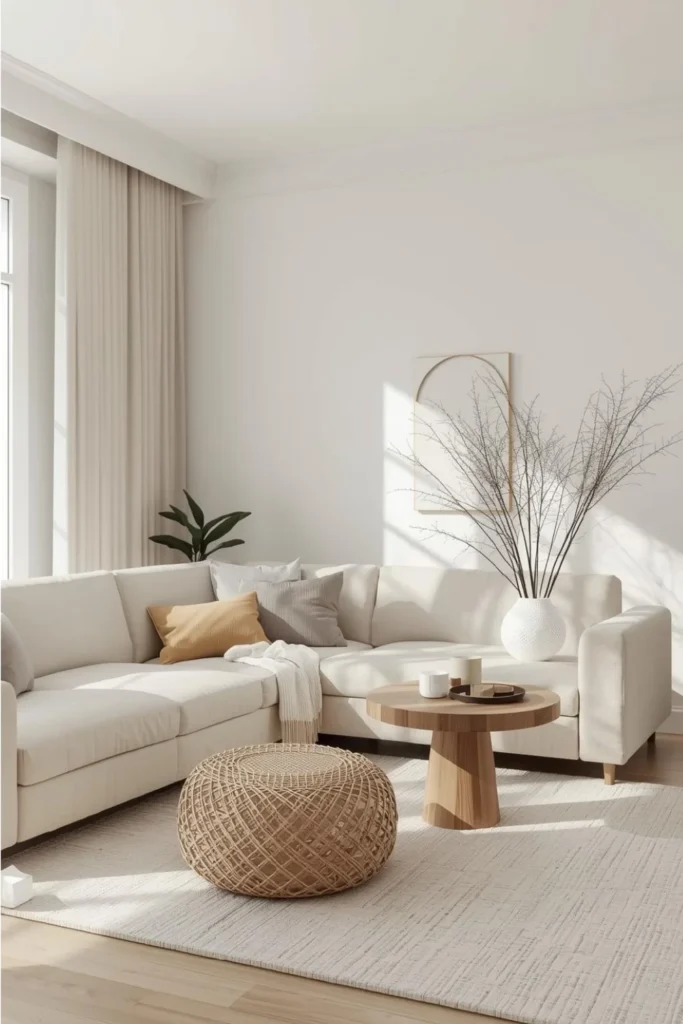
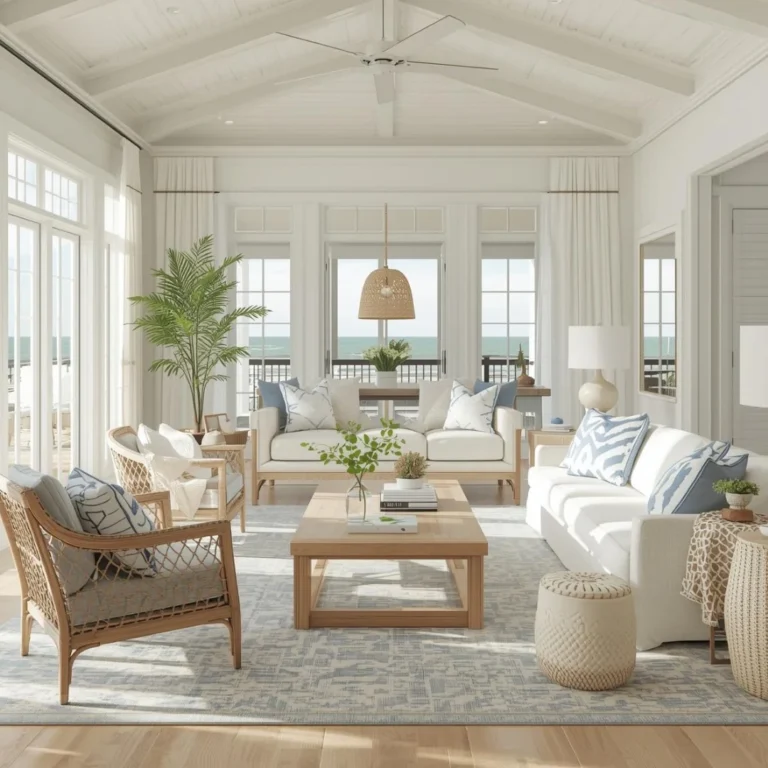
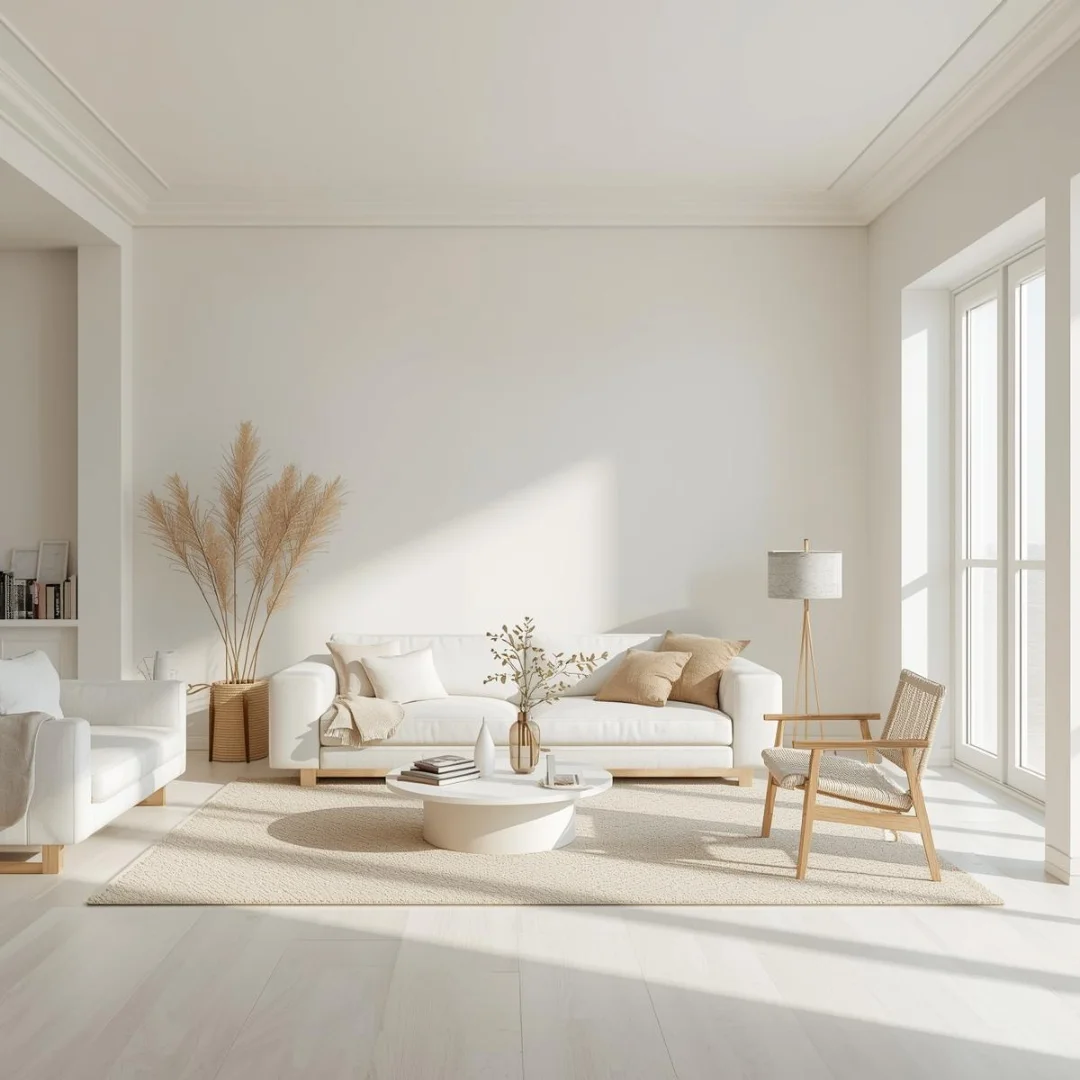
Neutral tones help create an airy and cohesive look. Soft whites, warm beiges, and gentle grays allow the eye to rest and the room to feel balanced.
Use color sparingly and consistently throughout the space. This reduces visual clutter and supports a minimalist aesthetic without feeling cold.
Soft colors support calm living.
Declutter Storage Areas Regularly

Hidden clutter can quietly disrupt a minimalist home. Closets and drawers need attention just as much as visible spaces. When storage is edited, daily life feels smoother.
Schedule regular decluttering sessions to remove unused items. Keep storage simple and easy to maintain. This prevents clutter from returning.
Clear storage supports clear living.
Choose Furniture With Clean Lines
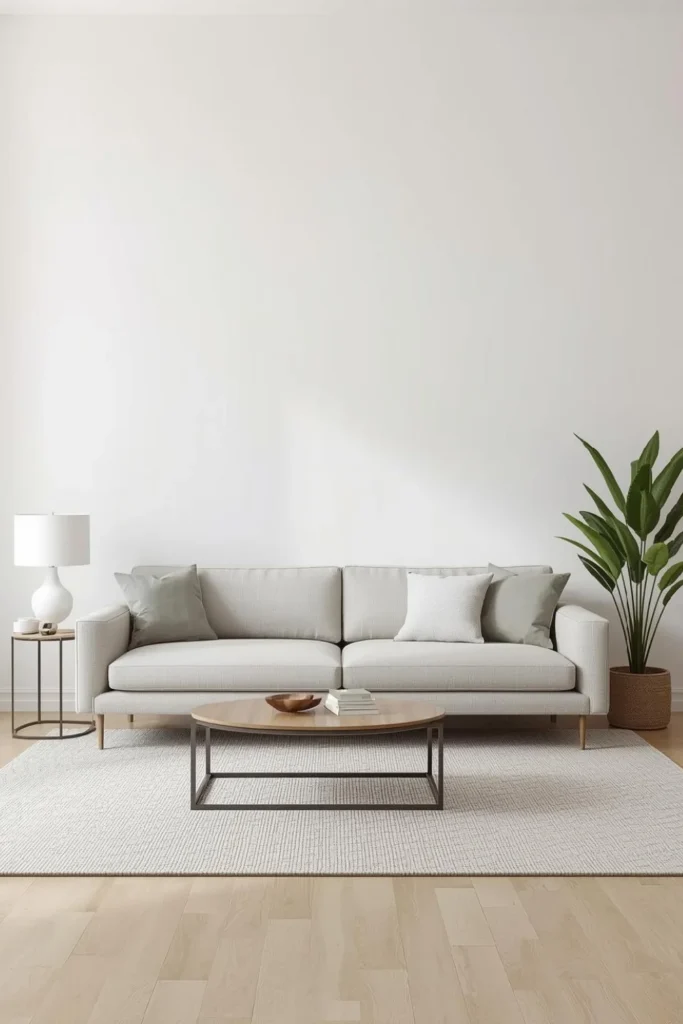
Furniture sets the tone of a space. Clean lines and simple shapes create openness and flow. Bulky or overly detailed pieces can make a room feel crowded.
Select furniture that fits the scale of your room. Prioritize comfort and function without excess. Let each piece breathe.
Simple furniture enhances minimalist decluttering ideas.
Limit Open Shelving
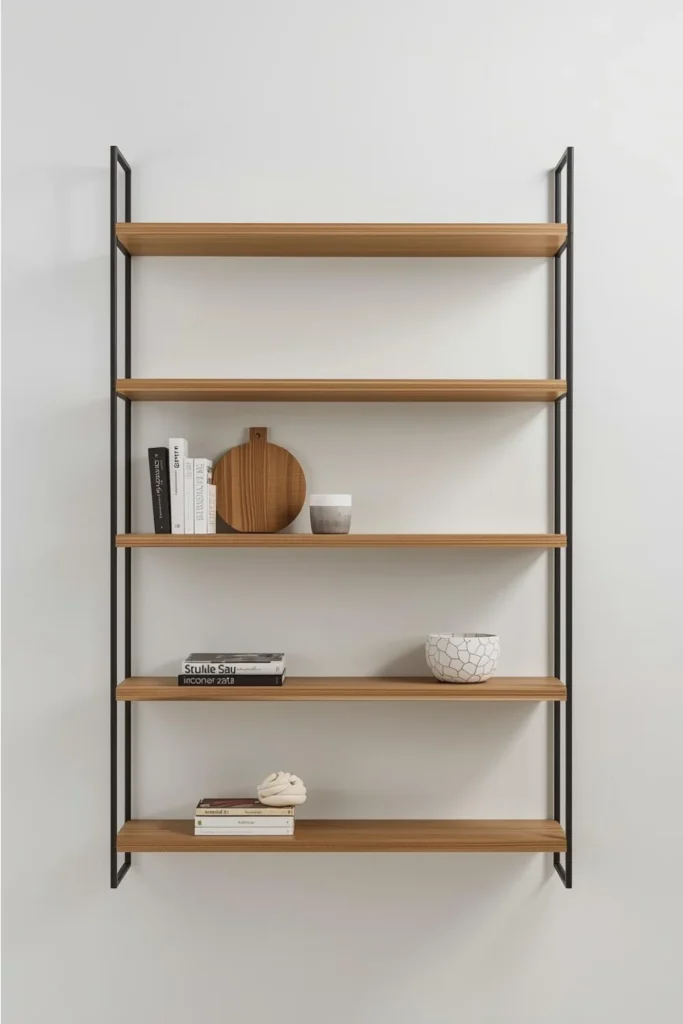
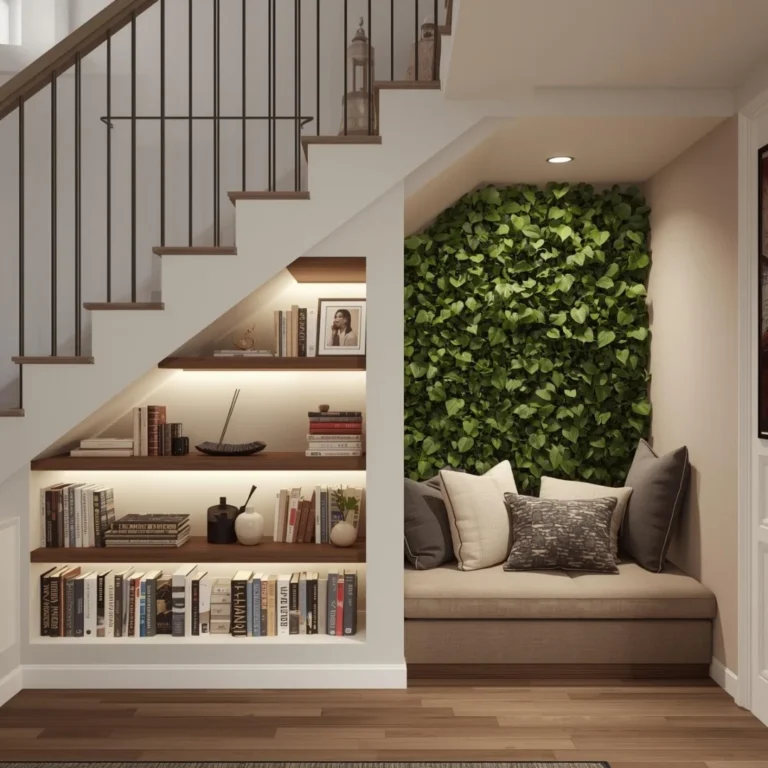
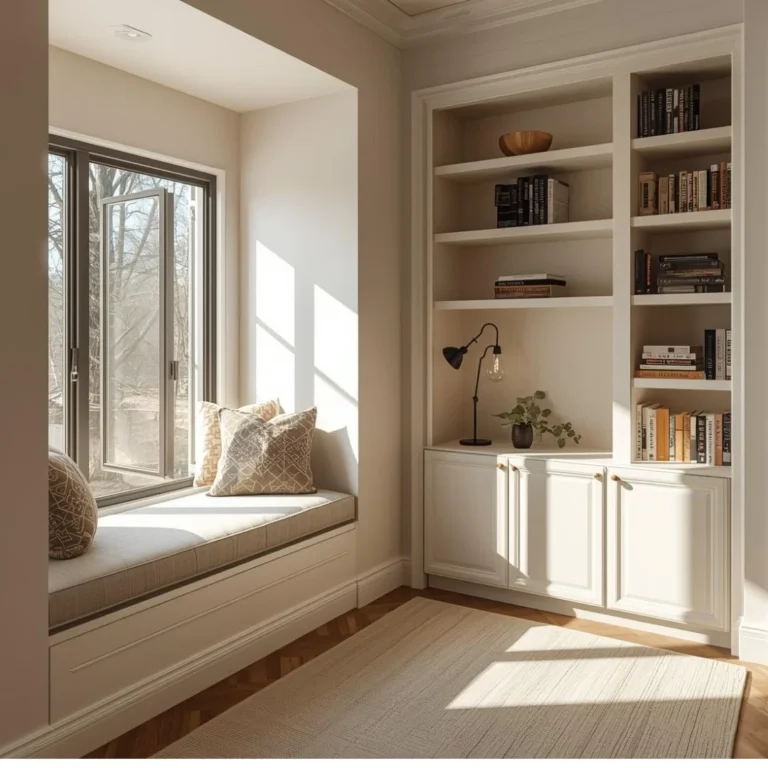
Open shelves can quickly look cluttered if overfilled. Minimalism thrives on restraint and balance. Leaving space between items keeps shelves visually calm.
Display only a few essentials or decorative pieces. Store the rest behind closed doors. This keeps the look clean and intentional.
Less on shelves means more harmony.
Let Light Guide Your Decluttering

Natural light highlights clutter instantly. When light flows freely, the space feels warm and welcoming. Decluttering allows light to move without interruption.
Clear areas near windows and avoid heavy visual blocks. Choose lighter fabrics and finishes. Let sunlight become part of the design.
Light reveals the beauty of simplicity.
Create Breathing Room Between Objects
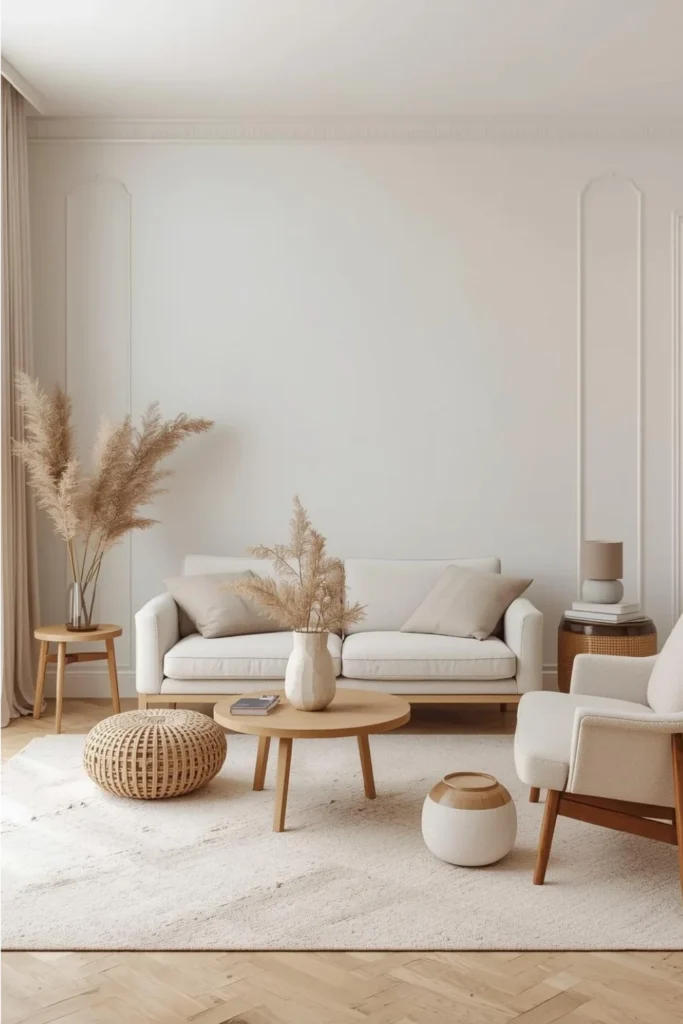
Minimalism values space as much as objects. When items are spaced apart, the room feels calm and balanced. Crowding removes that sense of ease.
Resist the urge to fill every corner. Leave intentional gaps on shelves and floors. This creates a sense of flow and openness.
Space itself becomes a feature.
Declutter Digitally Too
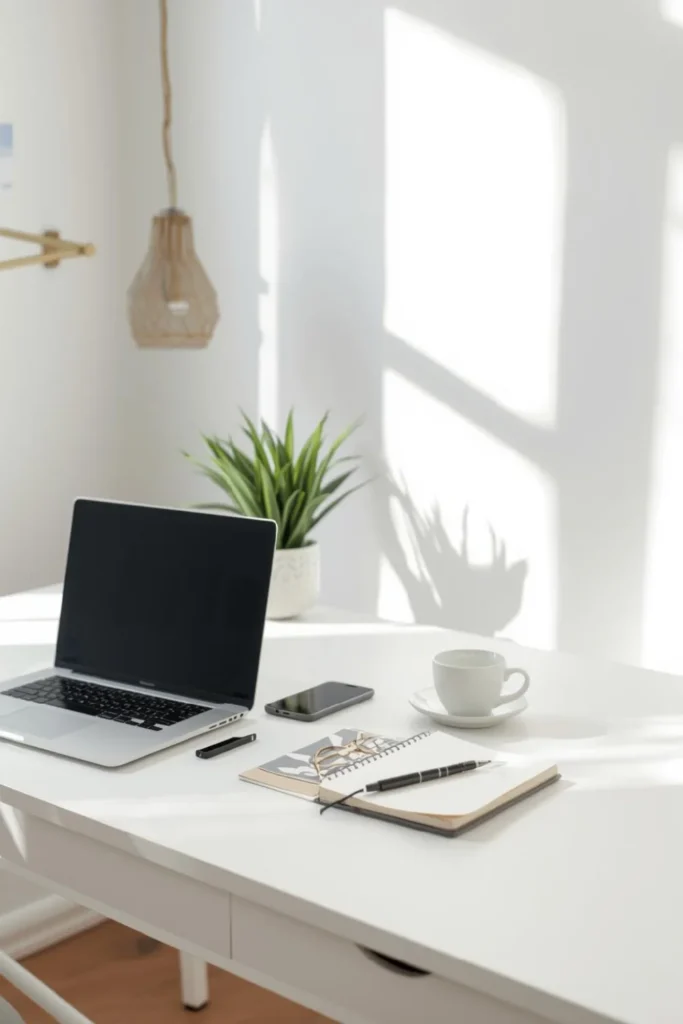
Minimalism extends beyond physical spaces. Digital clutter can affect your focus just as much. A clean digital environment supports a calm mindset.
Organize files, reduce notifications, and simplify your workspace. Keep only what supports your daily tasks.
Mental clarity begins with simplicity.
Design Tips for Minimalist Decluttering
- Edit before buying new items
- Choose fewer, better-quality pieces
- Keep storage simple and accessible
- Maintain a consistent color palette
- Revisit decluttering habits regularly
Conclusion
Minimalism is a gentle practice, not a rigid rulebook. These minimalist decluttering ideas show how thoughtful edits can transform your home into a place of calm and intention. By focusing on what matters, you create space for comfort, creativity, and ease.
Let your home reflect how you want to live, not how much you own. Start small, stay curious, and allow your style to evolve naturally. A minimalist home is not empty. It is full of clarity.
✨ Save this post on Pinterest for later inspiration!